


Natural Headache Relief: Exploring Headache Relief Balms

Headaches are a common ailment that can disrupt daily life and reduce productivity. Many people seek natural remedies to alleviate their discomfort without relying heavily on medications. One popular option gaining attention is the use of headache relief balms. These topical solutions offer a soothing alternative by targeting pain points with natural ingredients. This article explores the benefits, ingredients, and effectiveness of these balms, providing practical advice for those looking to try natural headache relief methods.
Understanding Natural Headache Relief
Natural headache relief focuses on using ingredients derived from plants and minerals to ease pain and tension. Unlike pharmaceutical drugs, natural remedies often have fewer side effects and can be used regularly without concerns about dependency. Common natural approaches include herbal teas, essential oils, and topical applications like balms.
Balms designed for headache relief typically contain a blend of essential oils such as peppermint, eucalyptus, and lavender. These oils have properties that can reduce inflammation, improve blood circulation, and provide a cooling sensation that distracts from pain. Applying these balms to the temples, forehead, or neck can help relax muscles and ease headache symptoms.
Benefits of Natural Ingredients
Peppermint oil: Known for its cooling effect and ability to relax muscles.
Lavender oil: Helps reduce stress and anxiety, common headache triggers.
Eucalyptus oil: Opens nasal passages and improves breathing, which can relieve sinus headaches.
Camphor and menthol: Provide a soothing, cooling sensation that can distract from pain.
These ingredients work synergistically to provide relief without the harsh chemicals found in some over-the-counter medications.

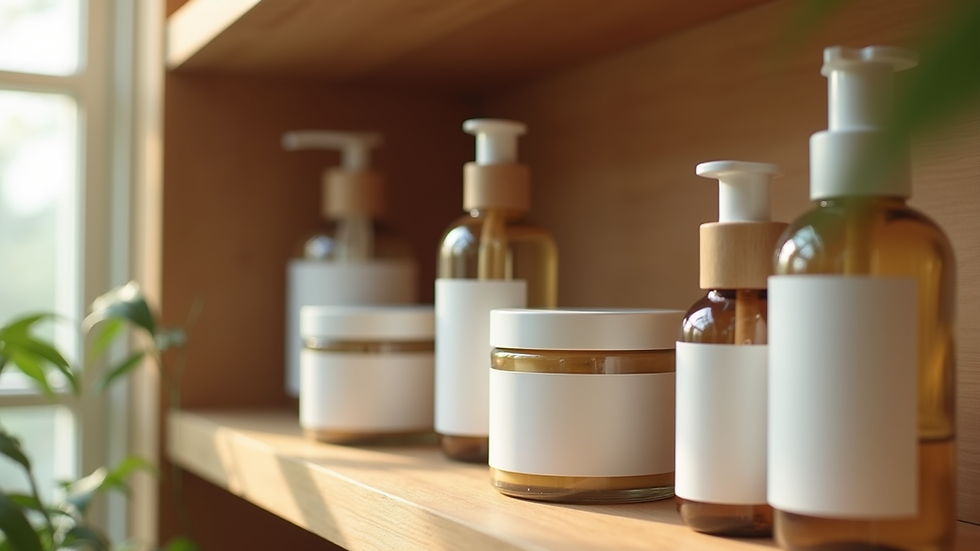
Natural headache relief balm with essential oils
How to Use Natural Headache Relief Balms Effectively
Using a headache relief balm correctly can maximize its benefits. Here are some practical tips:
Apply to pulse points: The temples, forehead, and back of the neck are ideal spots. These areas have blood vessels close to the skin, allowing the balm’s active ingredients to absorb quickly.
Use gentle massage: Rub the balm in circular motions to stimulate circulation and enhance absorption.
Avoid contact with eyes: Essential oils can irritate sensitive areas, so be careful when applying near the eyes.
Use as needed: Apply the balm at the first sign of headache symptoms for best results.
Combine with other natural methods: Drinking water, resting in a dark room, or practicing deep breathing can complement the balm’s effects.
Consistency is key. Regular use during headache episodes can help reduce the frequency and intensity of pain.
Do headache balms work?
Many users report positive experiences with headache relief balms, but how effective are they scientifically? Research suggests that the essential oils commonly found in these balms have properties that can alleviate headache symptoms.
For example, peppermint oil has been studied for its analgesic and muscle-relaxing effects. A study published in the International Journal of Clinical Practice found that applying peppermint oil to the forehead significantly reduced tension headache intensity. Similarly, lavender oil has been shown to reduce migraine frequency and severity in some clinical trials.
However, it is important to note that headache balms may not work for everyone or for all types of headaches. They tend to be most effective for tension headaches and mild migraines rather than severe or chronic conditions. Consulting a healthcare professional is advisable if headaches persist or worsen.

Applying headache relief balm to temples for headache relief
Choosing the Right Headache Relief Balm
With many products on the market, selecting the right headache relief balm can be overwhelming. Here are some factors to consider:
Ingredients: Look for natural essential oils like peppermint, lavender, eucalyptus, and menthol. Avoid synthetic fragrances and harsh chemicals.
Brand reputation: Choose products from reputable brands that provide ingredient transparency and positive customer reviews.
Skin sensitivity: If you have sensitive skin, test the balm on a small area before full application to avoid irritation.
Packaging: Balms in small jars or tubes are convenient for travel and easy to apply.
Price: Natural balms vary in price; choose one that fits your budget but does not compromise on quality.
Trying a few different balms may help you find the one that works best for your specific needs.
Additional Natural Tips for Managing Headaches
While headache relief balms can be effective, combining them with other natural strategies can enhance overall headache management:
Stay hydrated: Dehydration is a common headache trigger.
Maintain a regular sleep schedule: Poor sleep can increase headache frequency.
Manage stress: Techniques like meditation, yoga, or deep breathing can reduce tension.
Limit caffeine and alcohol: Both can contribute to headaches in some individuals.
Eat balanced meals: Low blood sugar can trigger headaches, so regular meals are important.
Incorporating these lifestyle habits alongside the use of a headache relief balm can provide a comprehensive approach to natural headache relief.
Embracing Natural Solutions for Headache Relief
Natural headache relief balms offer a gentle, effective way to manage headache symptoms without relying solely on medications. By understanding their ingredients, proper application, and combining them with healthy lifestyle choices, individuals can find significant relief. Whether you experience occasional tension headaches or mild migraines, exploring these natural options can be a valuable part of your wellness routine.


Comments